If someone is in danger or you are worried about their safety right now, call 000. For crisis support any time, call Lifeline on 13 11 14. For alcohol and drug support in Queensland, call Adis on 1800 177 833, 24/7.
Residential rehab means living on site for a period of treatment. Outpatient rehab means living at home and coming in for sessions. Healthdirect, the Australian Government's health information service, describes alcohol and drug treatment as something that can happen in residential or community settings, and notes that the right option depends on the person. That matches what we see.
What residential rehab involves
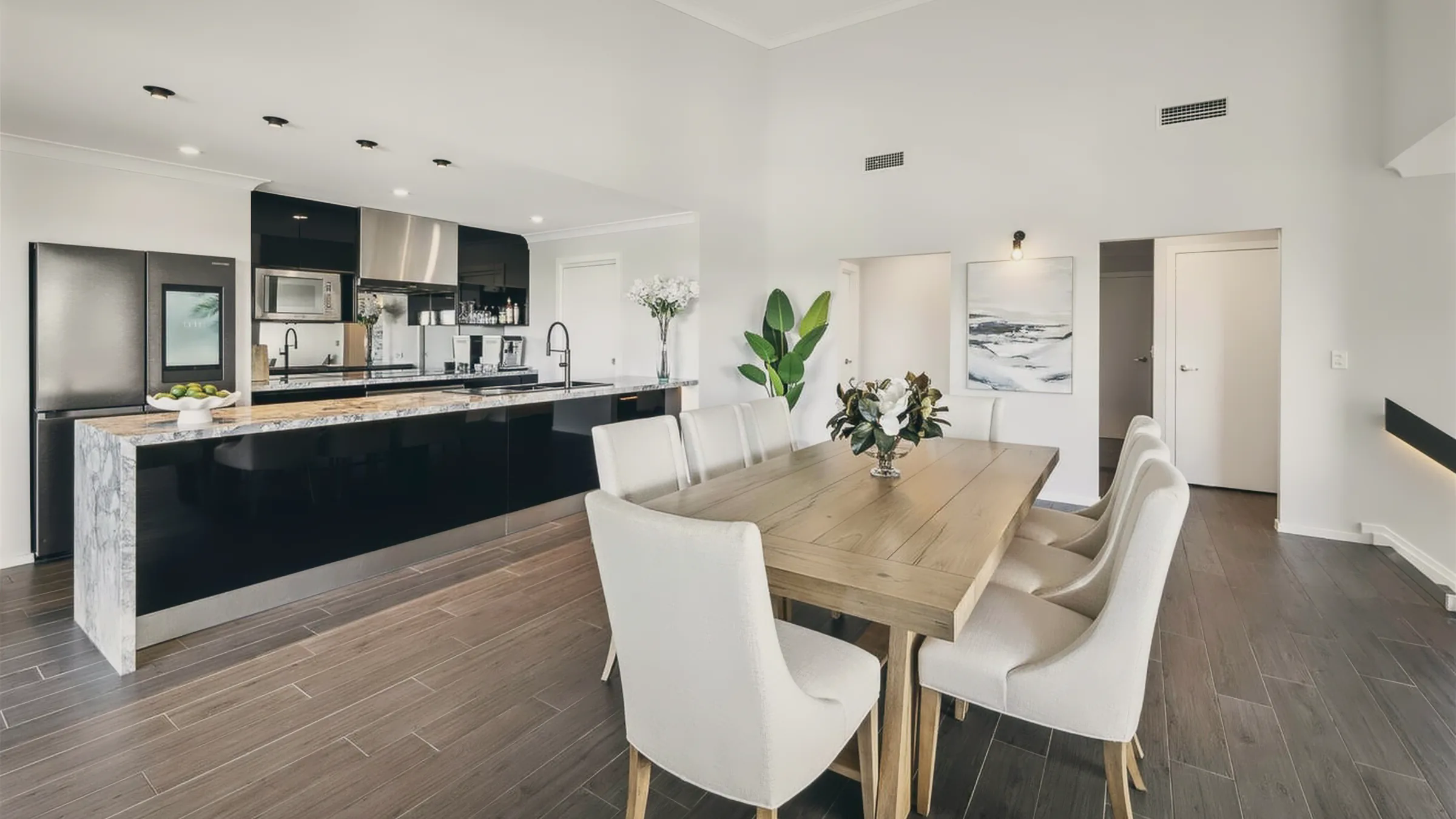
In a residential program you live in the house, follow a structured day and have support around you at all hours. At Sapphire, a live-in stay runs seven days a week in a home for up to six guests, each in a private room. A day usually includes one-on-one and group therapy, a morning walk or yoga, meals from our private chef, equine sessions and time to rest. There are staff on site 24/7, and how long you stay is set with you.
The main thing residential care offers is distance. You step away from the people, places and routines tied to drinking, using or gambling, and you get time to build new ones somewhere calm.
What outpatient rehab involves
An outpatient program keeps you at home. You attend therapy on set days and go back to your own bed, family and, often, work. Sapphire's outpatient program runs three full days a week for four weeks, with individual and group therapy, a multidisciplinary team and chef-prepared meals on program days. It starts from $15,000 + GST, compared with $25,000 + GST for a live-in stay.
The strength of outpatient care is that you practise new habits in the same life you will be living afterwards. The challenge is that the old triggers are still around you on the days in between.
Questions that help you choose
- Is home a safe and settled place right now? If the people you live with drink or use, or home is where things are hardest, a live-in stay may give you the break you need.
- Have you tried to cut down or stop before? If outpatient support or going it alone hasn't held, more structure can help.
- What does support need to fit around? If you can step away for a while, residential care is an option. If you need to keep working, studying or caring for family, an outpatient program may be the realistic choice.
- Is mental health part of the picture? Anxiety, depression, trauma or burnout can be treated in the same plan in either setting, but some people need the daily support of a live-in stay to do that work.
- How is your physical health? Your GP can help you think this through.
If you are still not sure, our two-minute check asks five short questions and points you to a sensible next step. It saves nothing about you.
Where detox fits
Neither program at Sapphire includes medical detox. If you are physically dependent on alcohol or certain drugs, withdrawal can be dangerous and needs medical supervision first. Signs it may be needed include shaking, sweating, vomiting, seizures, confusion or hallucinations when use stops. If someone has a seizure, is very confused or is seeing things that aren't there, call 000. Please don't stop suddenly on your own. Talk to your GP, or call Adis on 1800 177 833 to find a withdrawal service. Our guide to detox and rehab explains why the order matters.
You don't have to choose once
Many people move between levels of care over time. A common path is a live-in stay, then a few weeks in a supported transition house, then outpatient support while life picks back up. Others start as outpatients and move into residential care if they need more. At Sapphire, your aftercare plan starts on day one, so each step down is planned rather than sudden.
A simple comparison
- Where you sleep: residential, a private room in the house; outpatient, at home.
- How often: residential, every day; outpatient at Sapphire, three full days a week for four weeks.
- Support between sessions: residential, 24/7 on-site staff; outpatient, your own supports at home.
- Work and family: residential, a planned break; outpatient, life carries on around treatment.
General information only. This post is not medical advice. A GP can help you work out what level of care is safe for you, especially if withdrawal is likely.
Not sure which program fits? We can help you work it out.
Call for a quiet fifteen-minute conversation. We'll listen, answer questions about cost and fit, and you decide what happens next.